Deadwood Removal in Allentown, PA
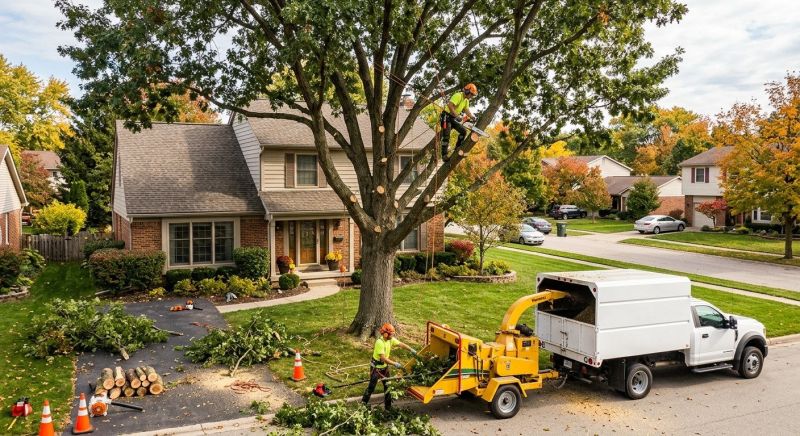
Deadwood removal services involve the safe and efficient removal of dead, dying, or hazardous trees and branches from residential properties. This type of work covers a variety of projects, including removing fallen or leaning trees, trimming overgrown branches, and clearing deadwood that can pose safety risks or obstruct views. Property owners typically request deadwood removal to maintain the safety of their landscape, prevent property damage, or improve the overall appearance of their yard.
Before requesting deadwood removal, homeowners should consider the size and location of the trees or branches involved, as well as any potential access restrictions on the property. It’s also helpful to understand the condition of the trees, such as signs of disease or decay, which may influence the scope of work needed. Clear communication about these details can help ensure that the service addresses specific concerns and aligns with safety and aesthetic goals.
Many property owners in Allentown, PA look into Deadwood Removal for repairs, replacements, upgrades, and appearance-related improvements.
Types Of Deadwood Removed
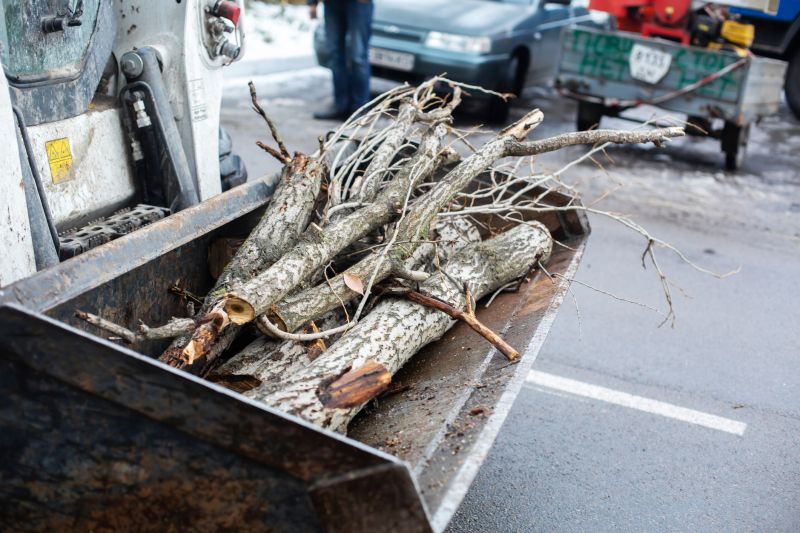
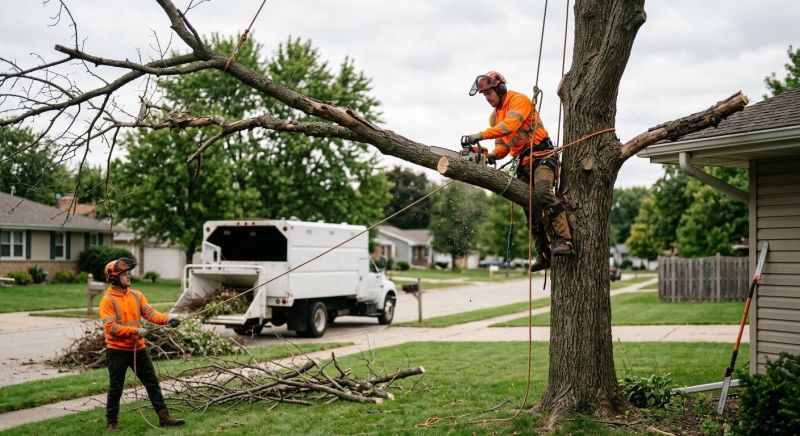
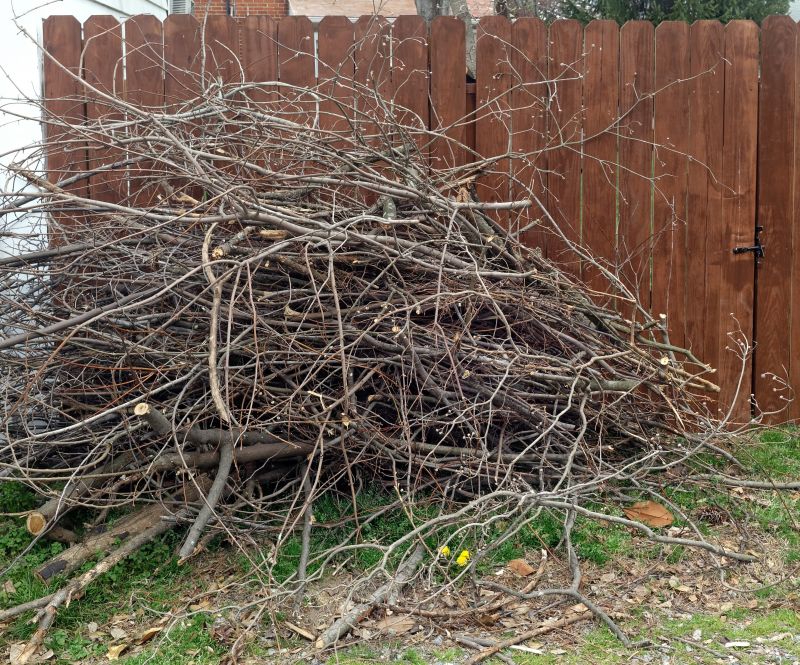
Deadwood removal services handle fallen branches, broken limbs, and hazardous trees around properties.
Benefits Of Deadwood Removal
Removing deadwood enhances safety, improves landscape appearance, and promotes healthier trees.
Common Situations For Deadwood Removal
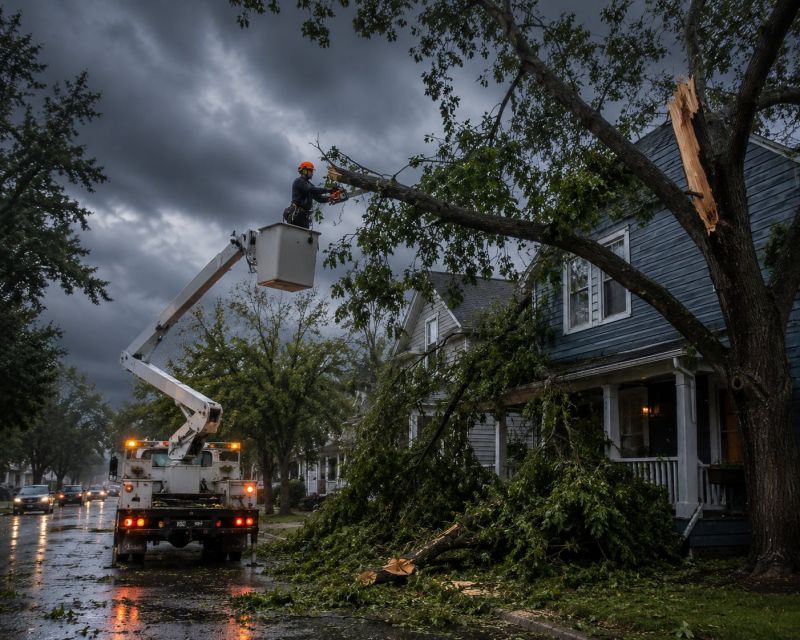
Deadwood removal is often needed after storms, for property maintenance, or to prevent damage to structures in allentown, pa.
Deadwood Removal in Allentown, PA
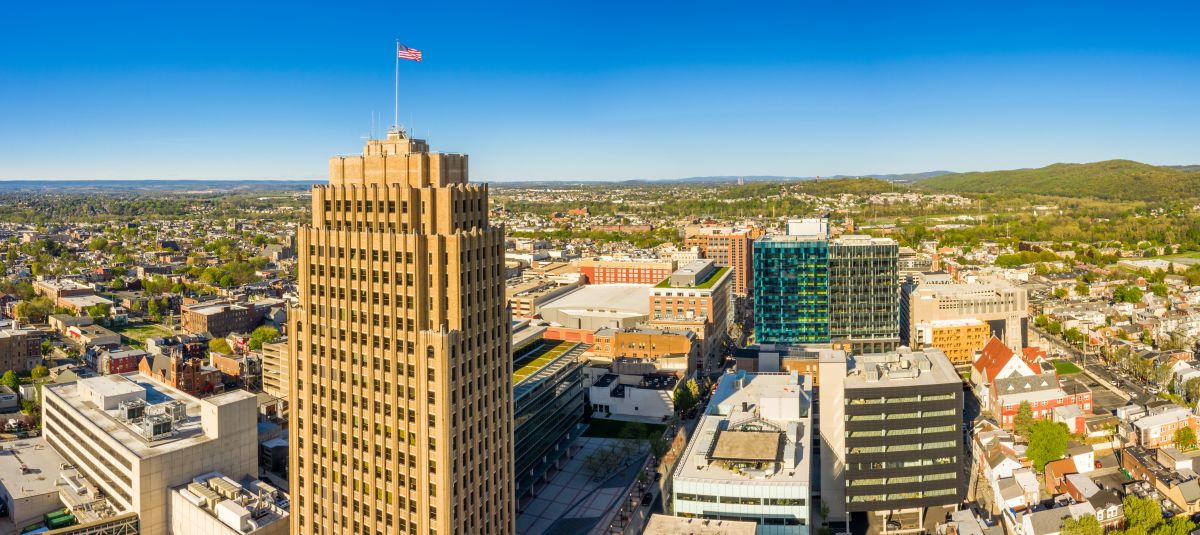
Deadwood removal services involve the safe and efficient removal of dead, dying, or hazardous trees and branches from residential properties. This type of work covers a variety of projects, including removing fallen or leaning trees, trimming overgrown branches, and clearing deadwood that can pose safety risks or obstruct views. Property owners typically request deadwood removal to maintain the safety of their landscape, prevent property damage, or improve the overall appearance of their yard.
Before requesting deadwood removal, homeowners should consider the size and location of the trees or branches involved, as well as any potential access restrictions on the property. It’s also helpful to understand the condition of the trees, such as signs of disease or decay, which may influence the scope of work needed. Clear communication about these details can help ensure that the service addresses specific concerns and aligns with safety and aesthetic goals.
Many property owners in Allentown, PA look into Deadwood Removal for repairs, replacements, upgrades, and appearance-related improvements.
Common Deadwood Removal Jobs
Tree stump removal - safely removes unsightly stumps to improve yard appearance and safety.
Root removal - eliminates invasive roots that threaten foundation, sidewalks, or underground utilities.
Storm debris cleanup - clears fallen branches and debris after storms to restore landscape safety.
Old tree removal - safely removes dead or hazardous trees to prevent property damage.
Land clearing - prepares property for new construction or landscaping by removing unwanted trees and brush.
Selective tree removal - reduces crowding and promotes healthier growth by removing specific trees.
Deadwood Removal Questions
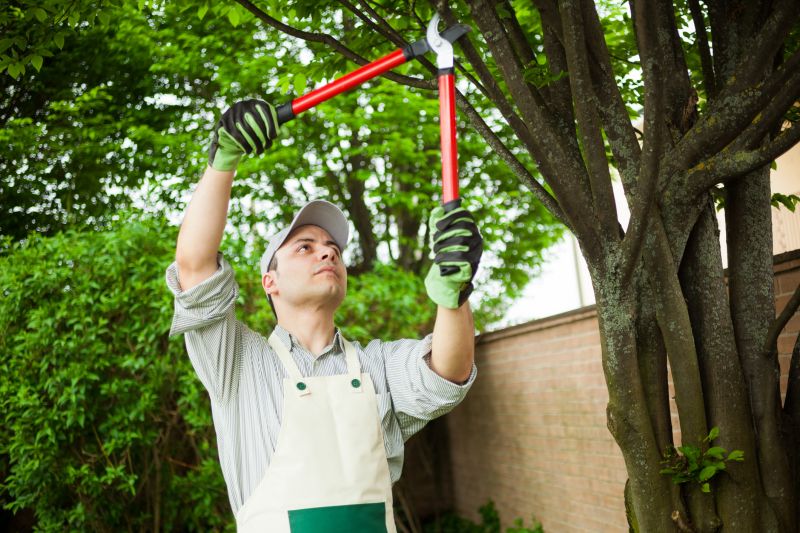
What types of deadwood can be removed? Deadwood removal services typically address both dead branches within the canopy and fallen or broken limbs on the ground.
Why is deadwood removal important? Removing deadwood helps improve tree health, reduces the risk of falling branches, and enhances the appearance of the landscape.
Which trees benefit most from deadwood removal? Mature trees, ornamental trees, and those with heavy or unstable branches are common candidates for deadwood removal.
Is deadwood removal safe to perform around structures? Yes, professional removal is designed to safely clear deadwood without damaging nearby structures or landscaping.
Request Deadwood Removal in Allentown, PA
Use the quote form on this page to share the basics of your project and request more information for the type of work you need.